
Can AI Photos Get You Banned on Dating Apps?
Updated
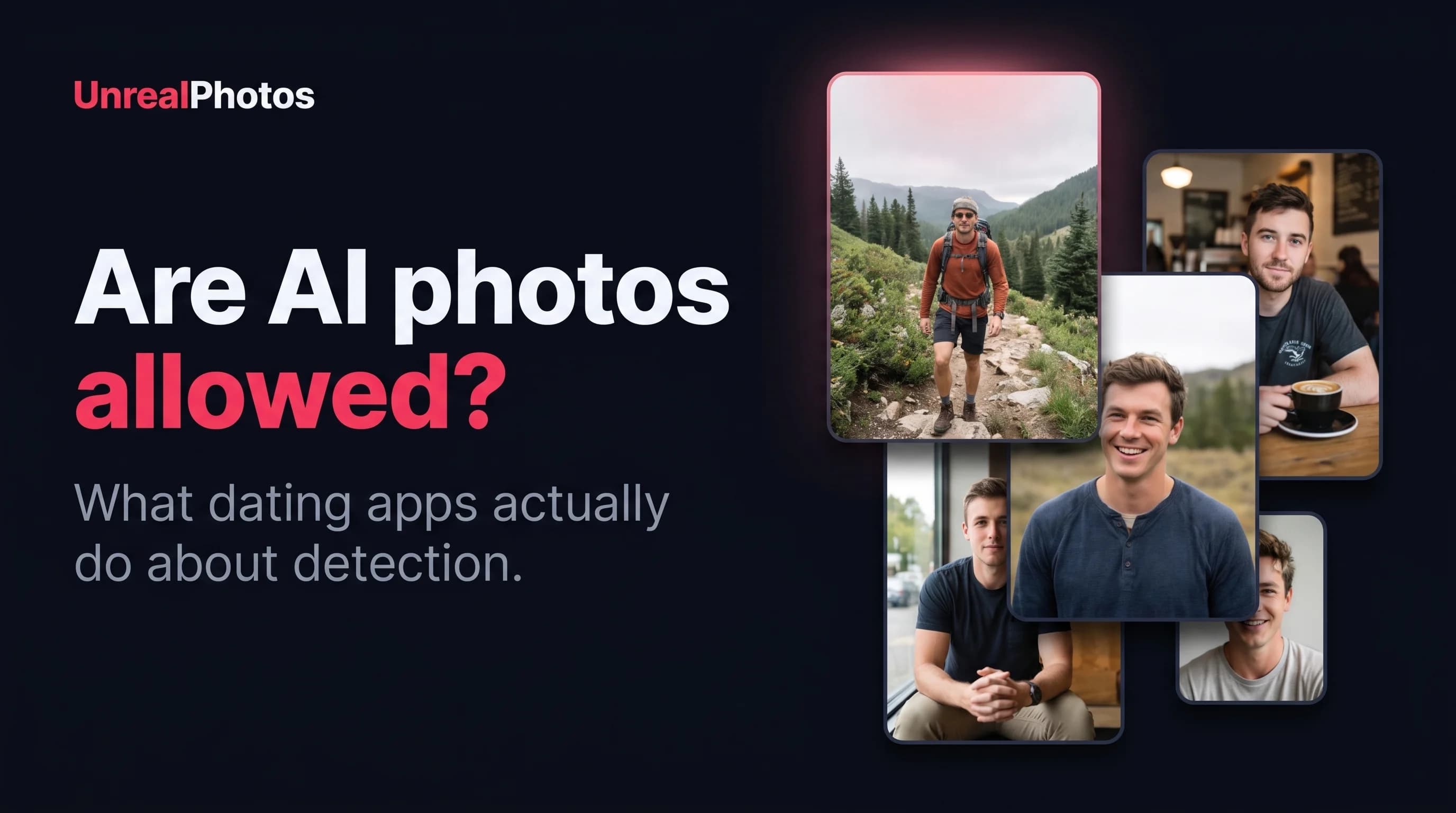
AI-generated dating photos are everywhere now, but most dating apps still haven't given users a simple answer about what is and isn't allowed.
So, can you use AI photos on Tinder, Hinge or Bumble? And could an AI-generated photo get your account flagged or banned?
The short answer is that using an AI photo of yourself is not automatically the same as creating a fake profile. The real issue is whether the photos at least somewhat represent you, or whether they are making you look 5 points better.
There is another problem most people don't know about: many popular AI image generators can leave behind invisible signals identifying the photo as AI-generated. A picture may look completely real to you while still containing an AI watermark, metadata or other detectable information.
That is where UnrealPhotos is different. Its Anti-AI Detection option is designed to create totally undetectable AI photos that still look like you, but on your best day with a $5000 photographer.
Are AI Photos Allowed on Tinder, Hinge and Bumble?
There is no universal rule saying that every AI-assisted photo results in an automatic ban across all dating apps. However, Tinder, Hinge and Bumble all expect profiles to be authentic and not intentionally misleading.
That distinction matters.
Using AI to create a realistic photo of yourself in better lighting, clothing or locations is very different from using someone else's face or changing your appearance beyond recognition.
Think of it like professional photography taken to the next level. A professional photographer already chooses your lighting, angle, pose, lens, outfit and background. The finished photo is designed to show you at your best. AI dating photos can accomplish something better without an expensive photoshoot.
Tinder's rules on AI photos
Tinder's terms make users responsible for the content they upload, including AI-generated content, and require profile information to be accurate. In practical terms, the risk is not simply that AI was involved. The risk is using a photo that misrepresents your identity.
Hinge's rules on AI photos
Hinge is more direct about authenticity. Its guidelines prohibit AI-generated content when it is used to mislead other users and require profiles to show the actual dater clearly.
Again, the important phrase is used to mislead. A realistic AI photo that somewhat accurately resembles you is fundamentally different from a fabricated identity or a photo that no longer resembles you.
Bumble's rules on AI photos
Bumble similarly emphasizes authentic profiles, accurate representation and protection from fake accounts. If the person in your photos is genuinely you and your appearance has not been transformed into someone unrecognizable, you are staying much closer to the purpose of those rules.
Can an AI Dating Photo Get You Banned?
Potentially, but the devil is in the details. Here's the rule, if the AI photo looks 1 to maybe 2 points better, you'll very likely be ok. If it's 3-5 points better, that can be an issue.
This, combined with a watermark, is a high risk that is simply not necessary.
Why ChatGPT, Gemini and Other AI Generators Can Be Risky for Dating Photos
General-purpose AI image generators were not built specifically for dating profiles. Their priority is generating an image, not necessarily making sure the final download is optimized for use on Tinder, Hinge, Bumble or Instagram.
Major AI companies have introduced different methods of identifying or labeling generated content. That makes sense for transparency, but it creates a problem for someone who simply wants realistic photos of themselves without an invisible AI label attached.
Even when a general image generator produces a good-looking result, you may still run into other issues:
- Your face changes noticeably between photos.
- The result looks overly edited or artificial.
- Your body type or age is inaccurate.
- The photo contains hidden AI provenance signals.
- The generator produces random images instead of a consistent dating profile.
UnrealPhotos was built specifically to solve those problems.
What Makes UnrealPhotos Different?
UnrealPhotos is an AI photo generator made for realistic dating-app and social-media photos. Instead of creating a random attractive person who vaguely resembles you, it is trained using your photos so the finished results maintain your recognizable identity.
The goal is simple: you on your best day with the best possible photography money can buy.
You can generate natural-looking photos with better outfits, backgrounds, lighting and composition without organizing a professional photoshoot. You can also choose from recommended dating-photo templates curated around the kinds of images that perform well on dating apps.
Most importantly, UnrealPhotos offers an Anti-AI Detection option when downloading your photos.
When enabled, Anti-AI Detection processes the final image to remove supported AI watermarks and provenance signals that other generators may leave behind. The result is a clean, realistic photo designed to be totally undetectable as AI-generated by common detection tools.
There is no visible watermark. There is no obvious AI look. And the person in the photo still looks like you.
Important: Anti-AI Detection must be selected when saving your photo. Always make sure the option is enabled before downloading an image you plan to use.
Will AI Photos Pass Dating-App Verification?
For the vast majority of our users, this is not an issue. Users are reporting that whenever the dating app asks them to verify and they submit a real-life video, the verification is passed.
How to Use AI Dating Photos Without Looking Fake
1. Upload clear training photos
Your source photos determine how well the finished images resemble you. Use relatively recent, clear pictures where your face is fully visible. Avoid sunglasses, heavy filters, blurry images and group photos.
Stay consistent with your personality and lifestyle. The best dating profiles feel aspirational without looking fabricated.
2. Enable Anti-AI Detection
Before downloading, select the Anti-AI Detection option. This is what processes the image for a clean final file without the supported AI signals commonly left by other generators.
3. Build a balanced profile
Use different outfits, angles and environments. Avoid filling every slot with images that look like they came from the same photoshoot. A varied profile appears more natural and also tells matches more about your life.
Frequently Asked Questions
Are AI photos banned on Tinder?
Tinder does not simply state that every AI-assisted image automatically results in a ban. It does require accurate profile content and holds users responsible for AI-generated material they upload. Photos that realistically depict you are different from using AI to create a fake identity.
Does Hinge allow AI-generated photos?
Hinge prohibits AI-generated content when it is used to mislead people. Your photos should clearly depict you, remain current and accurately represent the person a match would meet.
Can Bumble detect AI photos?
Bumble does not publicly disclose every system it uses to evaluate uploaded photos. As with any dating app, use images that accurately depict you and avoid relying on a generator that attaches unnecessary AI provenance signals.
Are UnrealPhotos images totally undetectable?
When Anti-AI Detection is selected, UnrealPhotos produces clean images designed to be totally undetectable by common AI detection tools. Detection technology continually changes, so no company can truthfully guarantee the result of every private or future detection system. What UnrealPhotos can do is remove supported AI watermarks and provenance signals while generating a far more realistic and consistent image than a general-purpose AI tool.
Will UnrealPhotos make me look like a different person?
It shouldn't. UnrealPhotos is designed to create realistic images that look like you on your best day. You still need to review your results and choose the photos that most accurately preserve your real appearance.
Do I need professional photos to train UnrealPhotos?
No. You only need three clear photos of yourself. Selfies can work as long as your face is visible, the image is not blurry, you are not wearing sunglasses and nobody else appears in the picture.
The Bottom Line
AI dating photos are not automatically the same thing as fake photos. The real dividing line is whether the images resemble you.
If you use AI to impersonate someone else or change yourself beyond recognition, you risk failed verification, reports from matches, and potential account action. But if you use it to create realistic photos that look like you in better lighting, clothing and environments, it can function much like a professional photoshoot.
The bigger problem is that many general AI generators were never designed for dating profiles. They can create inconsistent faces, unrealistic results, and pics containing hidden AI signals.
UnrealPhotos is different. It was built to create ultra-realistic dating and Instagram photos that maintain your identity. And its Anti-AI Detection option produces a clean image designed to be totally undetectable by common AI detectors.
No expensive photoshoot. No obvious AI look. No invisible AI watermark. Just better photos that still look like you.
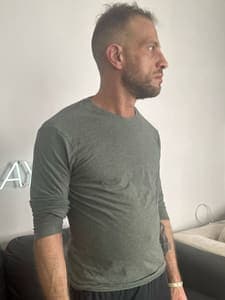
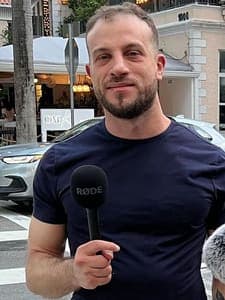
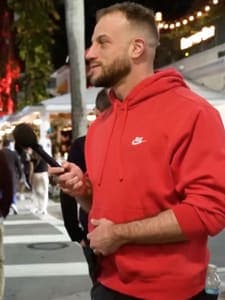
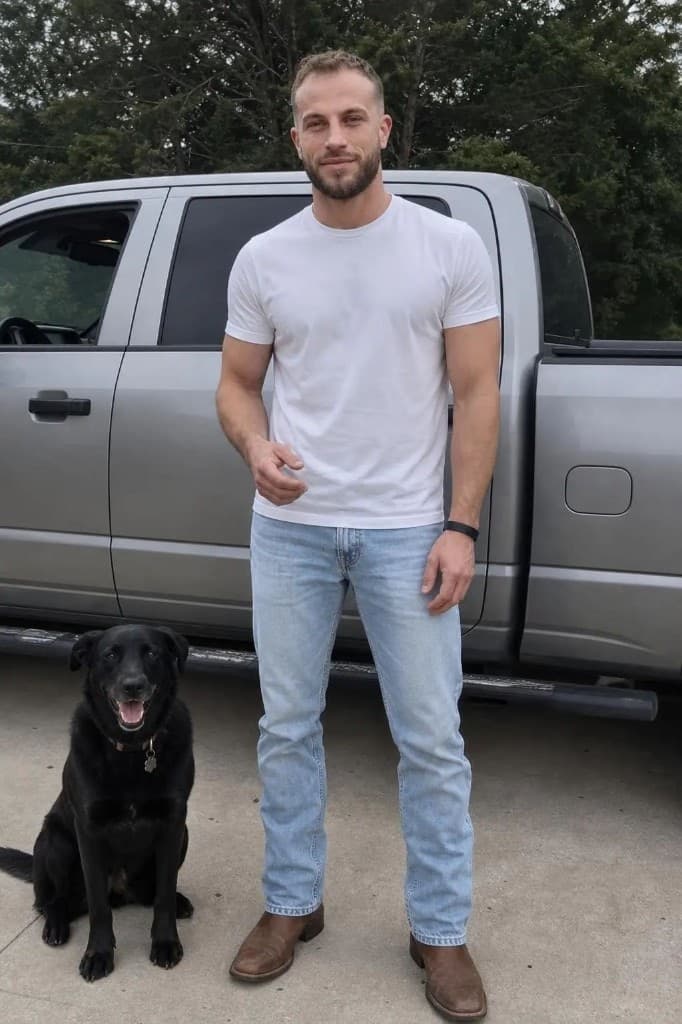
3 photos. A whole new dating lineup.
Leave your email and we'll send you 10% off your first plan.
No spam. Unsubscribe anytime.